Stabilized Electrical Steels for Electric Mobility
with EU funding support in the framework of RFCS project
2021-2024 - Grant Agreement No. 101034063
Magnetic characteristics of FeSi electrical steel greatly influences the electric motor efficiency.
Precipitates are deleterious for magnetic quality of electrical steels, negatively interacting with
grain growth process, preventing to obtain optimal grain size, and interfering with the
magnetization processes.
The project innovative idea is to use unconventional chemical composition of the alloy,
with unusually high concentration of Ti, V, Nb, (up to 0.1%-0.2%), acting as “scavengers” for N and
C, main source of fine precipitation, capturing them in coarse precipitates that can be better
controlled.
This together with optimization of processing condition will improve the steel magnetic
characteristics.
The project aims to use Ti, Nb, V, as scavengers for stabilizing Carbon and Nitrogen, to produce ELECTRICAL STEEL having improved magnetic properties FOR AUTOMOTIVE APPLICATION.
Sold cars and commercial vehicles in 2017 ~ 100.000.000 (One hundred millions)Considering 80kg Electrical steel for the motor of each vehicle this makes 8 Mtons of Electrical steel > 50% of present market
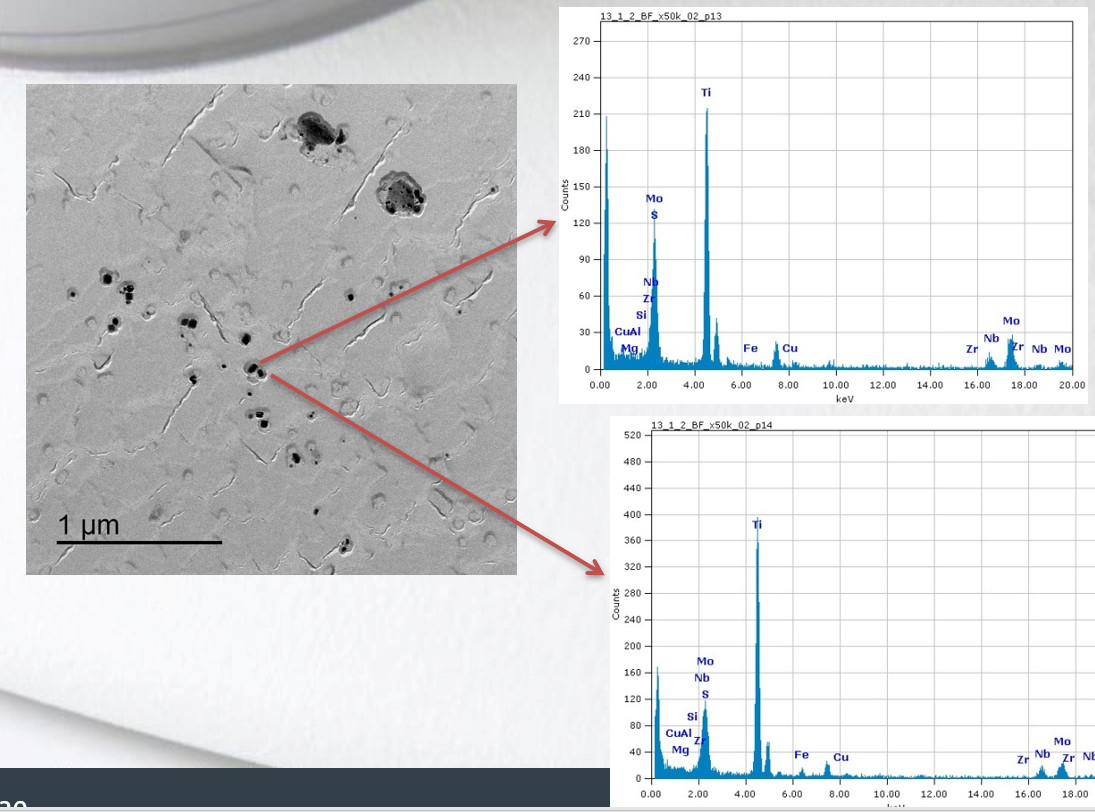
Example of precipitates studied at T.E.M
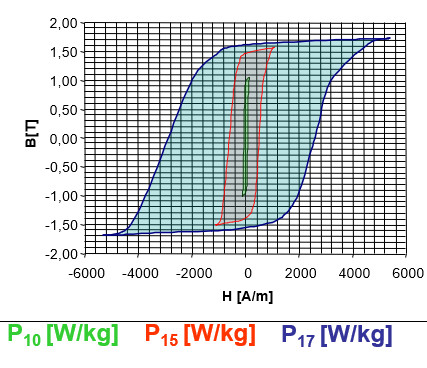
Example of hysteresis loop measured on Electrical Steel sample. Measurements performed @(50 Hz, and 1.0, 1.5, 1.7 Tesla)
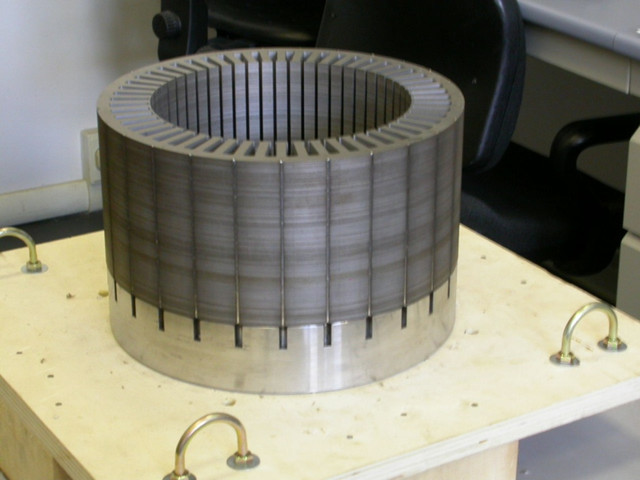
Example of stator core of an electric motor, realized by FeSi Electrical steel
Partners